Is a Sunroom Addition Really Worth It?
May 29, 2026 | Four Seasons Sunrooms
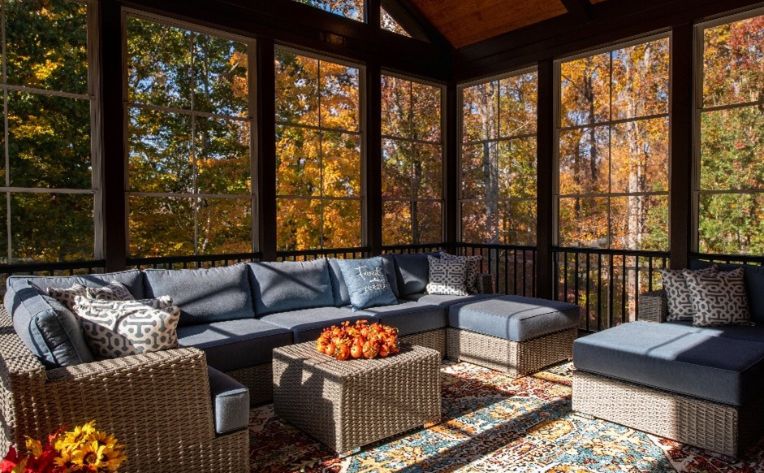
Homeowners often look for ways to create more functional living space without completely changing the structure of their home. A sunroom has become one of the most popular options because it offers a bright and versatile environment that blends indoor comfort with outdoor views. Before making an investment, however, many people want to understand whether the benefits truly justify the cost over time.
When evaluating sunrooms in Utica, MI, homeowners are usually focused on three key factors: year-round comfort, energy efficiency, and long-term value. Modern sunroom designs are built to address these concerns while creating a flexible space that can adapt to everyday living.
A Comfortable Space Through Every Season
One of the main reasons homeowners choose a sunroom is the ability to enjoy natural light and outdoor scenery while remaining protected from changing weather conditions. Unlike open-air patios or decks, a sunroom creates an enclosed environment that can support daily use throughout much of the year.
Older sunrooms sometimes struggled with temperature control, but today’s systems are designed with improved insulation and climate performance in mind. Features such as insulated roofing, advanced framing materials, and high-performance glass help maintain a more balanced indoor temperature during both warmer and cooler seasons.
This allows the space to feel more connected to the rest of the home rather than functioning as a separate seasonal room. Whether used as a morning retreat, entertainment area, dining space, or home office, a sunroom can provide comfort and flexibility throughout the year.
Modern Energy Efficiency Makes a Difference
Energy efficiency has become an important part of home addition planning, especially for homeowners who want to avoid unnecessary strain on heating and cooling systems. Modern sunroom construction now places a much stronger focus on thermal performance and insulation.
Today’s glass technology helps reduce excessive solar heat gain while still allowing natural light to brighten the interior. Thermally engineered framing systems and insulated components also contribute to improved comfort during changing temperatures.
Natural light itself can help create a more inviting atmosphere inside the home while reducing the need for artificial lighting during the day. Many homeowners appreciate how a sunroom makes the surrounding interior spaces feel brighter, larger, and more open overall.
Proper placement and ventilation also play an important role in energy performance. A professionally designed sunroom considers factors such as sunlight exposure, airflow, and home orientation to help improve long-term comfort.
Understanding the Long-Term Value
A sunroom is an investment, which means homeowners naturally compare it with other renovation options before moving forward. While the upfront cost depends on the size, design, and materials selected, many homeowners see long-term value in the added living space and flexibility the room provides.
Unlike renovations that serve a single purpose, a sunroom can evolve alongside changing household needs. It may function as a quiet reading space today and become a family gathering area or hobby room in the future. This adaptability often makes the investment feel more worthwhile over time.
There is also value in the everyday experience the room creates. A bright and comfortable environment filled with natural light can improve how homeowners use and enjoy their property throughout the year. Many people find themselves spending more time in the space than originally expected because of the relaxing atmosphere it creates.
Professionally designed additions may also contribute to overall property appeal by enhancing functionality and visual openness. A thoughtfully integrated sunroom can complement the architecture of the home while creating a welcoming transition between indoor and outdoor living.
The Importance of Choosing the Right Design
Not every sunroom performs the same way, which is why design quality matters. Factors such as glass performance, insulation, roofing systems, and ventilation all influence how comfortable the space will feel over time.
A carefully planned sunroom should reflect both the style of the home and the way the homeowner intends to use the space. Some people prefer wide-open views and maximum natural light, while others prioritize shade control and privacy features. Modern customization options make it possible to create a room that feels tailored to both comfort and functionality.
Working with experienced professionals can also help homeowners better understand which features are best suited for their climate conditions and long-term goals.
Is a Sunroom the Right Investment for Your Home?
For many homeowners, the answer comes down to lifestyle value as much as financial value. A thoughtfully designed sunroom can provide additional living space, improved comfort, natural light, and year-round enjoyment that continues long after construction is complete.
If you are considering a home addition that offers both function and flexibility, learning more about modern sunroom options can help you make a more informed decision.